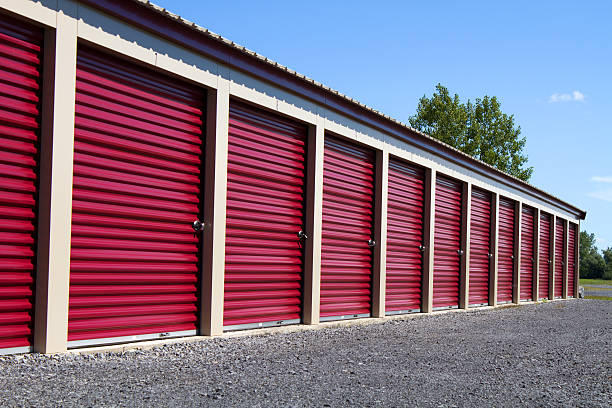
Packed offices, crowded homes, and seasonal moves often create storage problems faster than expected. Temperature changes and humidity quietly damage sensitive belongings long before visible signs appear. Climate controlled storage helps protect valuable personal items and business materials from heat, moisture, and long-term environmental wear.
What Business Records Should Never Sit in Non Climate Storage
Paper contracts, payroll files, client records, and legal documents weaken quickly when exposed to fluctuating temperatures. Humidity causes pages to curl, ink to fade, and cardboard storage boxes to soften over time. Important business archives may become unreadable after years inside standard storage units without environmental regulation.
Professional offices often keep records for tax compliance, employee documentation, and long-term reference needs. Climate controlled storage helps preserve sensitive paperwork while reducing mildew risks during humid seasons. Businesses searching for storage units near me frequently rely on indoor storage for files that cannot be easily replaced.
How Moisture Exposure Damages Photographs and Printed Albums
Family albums and printed photographs absorb moisture faster than many people realize. Glossy photo paper sticks together while printed colors fade gradually in damp environments. Old photographs may also develop permanent warping when humidity levels remain unstable for long periods.
Temperature swings create additional stress because repeated expansion and contraction weaken delicate photo surfaces. Climate controlled storage helps preserve printed memories by maintaining steadier indoor conditions year-round. Personal photo collections often remain in far better condition when protected from excessive heat and moisture exposure.
Why Climate Stability Matters for Collectible Item Storage
Trading cards, comic books, antiques, and memorabilia react strongly to environmental changes during storage. Heat softens adhesives while humidity weakens paper fibers and decorative finishes. Valuable collectibles sometimes lose condition slowly without owners realizing damage has already begun.
Collectors often prefer climate controlled storage because stable conditions help preserve long-term value. Indoor protection also reduces dust buildup and moisture exposure that affect fragile materials over time. Storage units designed for climate regulation generally work better for rare or sentimental belongings.
Understanding Fabric Damage Caused by Long Term Heat Exposure
Clothing, bedding, curtains, and upholstered furniture absorb heat and humidity throughout long storage periods. Fabric fibers weaken gradually while trapped moisture creates stale odors and mildew growth inside enclosed spaces. Leather materials may crack or dry out under unstable conditions. Indoor climate regulation helps reduce fabric stress caused by seasonal weather changes. Climate controlled storage also protects delicate garments such as wedding dresses, vintage clothing, and decorative linens from preventable deterioration. Proper storage conditions often help fabrics remain fresher and cleaner for years.
When Medical Supplies Require Temperature Regulated Storage Units
Medical equipment and healthcare supplies often contain materials sensitive to extreme heat or cold. Adhesives, rubber components, and sealed packaging may break down faster when stored in fluctuating temperatures. Moisture exposure sometimes damages medical inventory before expiration dates arrive. Healthcare professionals and families storing medical supplies frequently benefit from climate controlled storage environments. Indoor protection helps maintain safer conditions for mobility equipment, packaged supplies, and temperature-sensitive materials. Storage units with regulated environments provide stronger long-term protection for healthcare-related belongings.
When Important Tax Records Need Long Term Climate Protection
Tax paperwork usually stays relevant for years, especially for businesses and property owners maintaining financial archives. Humidity and heat damage printed records slowly, making certain documents difficult to read during audits or future legal reviews. Water damage can also spread rapidly through tightly packed boxes.
Climate controlled storage helps preserve financial paperwork while reducing risks tied to dampness and temperature swings. Organized indoor storage also improves accessibility for long-term record management. Storage units near me often become practical solutions for households and businesses needing safer archive storage outside crowded offices or homes.
The Benefits of Indoor Storage for Sensitive Business Inventory
Retail inventory, product packaging, and electronics often deteriorate inside standard storage spaces exposed to seasonal weather. Heat may warp packaging materials while moisture affects labels, adhesives, and internal product components. Delicate inventory loses quality faster without stable indoor conditions.
Climate controlled storage helps businesses maintain cleaner and more dependable storage conditions throughout the year. Organized indoor storage units also provide stronger protection for inventory waiting on seasonal sales or future distribution. Storage Partner offers climate controlled storage options designed to protect sensitive business inventory, important records, collectibles, fabrics, and household belongings from long-term environmental damage while keeping stored items safer and easier to preserve.