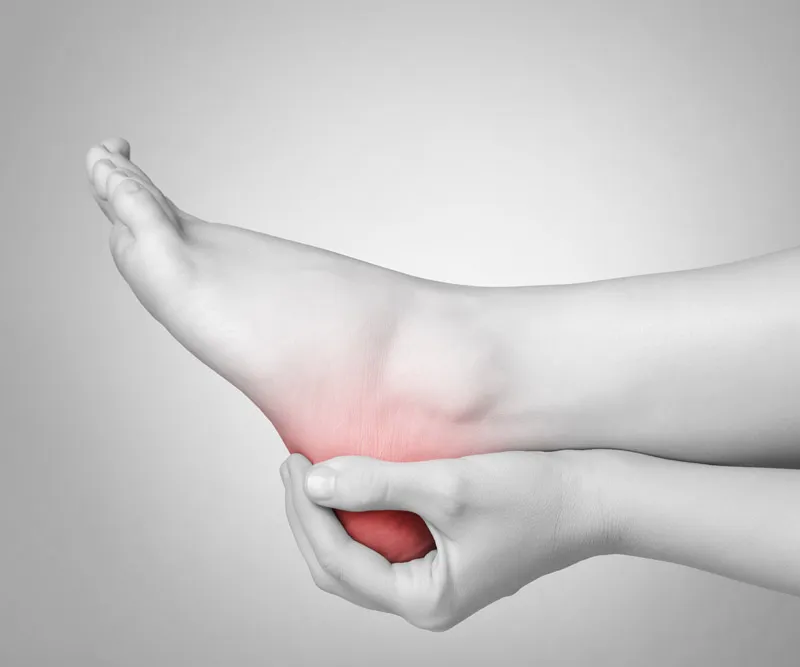
Minor soreness sometimes hides deeper problems involving tendons, nerves, joints, or circulation that continue worsening without treatment. Skilled care from a podiatrist in Decatur AL often helps uncover the real cause behind discomfort that home remedies fail to fix.
Access to Advanced Diagnostic Tools like Digital X-rays and Ultrasound
Modern diagnostic imaging helps foot specialists identify injuries and conditions that cannot always be seen during a standard physical exam. Digital X-rays often reveal stress fractures, joint damage, heel spurs, and alignment issues connected to chronic pain. Ultrasound technology may also help evaluate tendon inflammation, soft tissue injuries, or plantar fasciitis without requiring invasive procedures. Accurate imaging frequently shortens the time needed to reach a diagnosis because hidden problems become easier to pinpoint. Delayed treatment sometimes allows inflammation and structural damage to spread into nearby areas of the foot or ankle. Experienced Decatur podiatrist evaluations often rely on these tools to create treatment plans based on visible findings instead of guesswork.
Professional Prescription and Fitting of Custom Orthotic Inserts
Custom orthotic inserts provide support tailored to the specific shape and movement pattern of a person’s feet. Flat arches, uneven walking pressure, and poor alignment often place repeated stress on joints and connective tissue throughout the lower body. Personalized orthotics help redistribute pressure more evenly during standing, walking, and exercise.
Generic store-bought inserts sometimes fail to address deeper structural problems affecting long-term comfort. Proper fitting also improves stability for individuals dealing with heel pain, arch fatigue, or recurring ankle strain. Many patients seeing a plantar fasciitis specialist discover that supportive orthotics reduce irritation beneath the heel during daily movement.
Prevention of Long-term Mobility Issues and Permanent Joint Damage
Untreated foot conditions occasionally force people to adjust their posture and walking mechanics without realizing it. Altered movement patterns may gradually affect the knees, hips, lower back, and surrounding joints over time. Early treatment often prevents smaller problems from becoming permanent mobility limitations later in life.
Protective care matters especially for individuals working long shifts on concrete flooring or standing for extended periods each day. Chronic inflammation may slowly wear down cartilage and soft tissue if ignored too long. Reliable treatment from a podiatrist in Decatur AL can help preserve mobility before joint damage becomes harder to manage.
Specialized Care for Diabetic Foot Complications and Wound Prevention
Diabetes frequently reduces circulation and nerve sensitivity within the feet, increasing the risk of unnoticed injuries and infections. Small cuts or pressure sores sometimes develop into serious medical concerns when healing slows due to poor blood flow. Routine foot evaluations help identify skin damage before complications become severe.
Protective treatment plans often include nail care, circulation checks, pressure point monitoring, and wound prevention strategies. Careful observation becomes especially important for people who already experience numbness or tingling sensations in their feet. Trusted Decatur podiatrist offices commonly educate diabetic patients about daily foot inspections that may help prevent hospitalization or tissue loss.
Effective, Non-surgical Relief Options for Chronic Conditions like Plantar Fasciitis
Non-surgical treatments remain one of the first approaches used for chronic heel pain and plantar fasciitis symptoms. Stretching programs, orthotics, anti-inflammatory care, physical therapy, and supportive footwear adjustments often improve comfort without surgery. Conservative treatment plans usually focus on reducing tissue strain while restoring healthy movement patterns.
Repeated heel pain may worsen if people continue relying only on temporary pain relief products without identifying the source of irritation. Consistent medical care often improves recovery speed by addressing the underlying mechanical causes connected to plantar fasciitis. Several patients visiting a plantar fasciitis doctor report noticeable improvement after combining stretching routines with guided treatment strategies.
Expert Surgical Intervention When Conservative Treatments Fail to Provide Relief
Certain foot conditions eventually require surgical correction when pain continues despite months of non-surgical treatment. Severe tendon injuries, nerve compression, advanced joint damage, or persistent structural abnormalities sometimes respond best to carefully planned procedures. Surgical intervention often focuses on restoring movement while reducing long-term pain.
Recovery plans typically include rehabilitation exercises and gradual activity progression following surgery. Controlled healing helps protect repaired tissue while rebuilding strength and flexibility. Qualified plantar fasciitis specialist care may also help determine whether surgery is truly necessary or if less invasive methods still remain effective options.
Education on Proper Footwear Selection to Prevent Future Injuries
Supportive footwear directly affects how pressure moves through the feet during standing and walking. Poor shoe choices may increase strain on arches, tendons, joints, and the plantar fascia over time. Medical evaluations often include recommendations based on work activity, exercise habits, and foot structure.
Lightweight fashion shoes sometimes sacrifice stability in ways that contribute to chronic pain. Worn-out soles may also alter walking mechanics without people noticing gradual changes. Professional guidance from a plantar fasciitis doctor frequently helps patients understand which shoe features improve comfort and reduce repeated injury risks.
Accelerated Recovery Times Compared to Self-treatment Methods
Home treatment methods occasionally delay recovery because individuals misjudge the actual source of their pain. Ice packs, massagers, and over-the-counter inserts may provide temporary comfort while hidden problems continue progressing beneath the surface. Earlier medical intervention often reduces recovery time by targeting the condition more precisely.
Structured treatment plans usually combine several methods working together instead of relying on one temporary solution. Faster improvement may also help people return to work, exercise, and normal movement sooner. The Foot Clinic provides professional evaluations and treatment options designed to help patients dealing with plantar fasciitis, chronic heel pain, mobility limitations, and other foot conditions that affect everyday life.