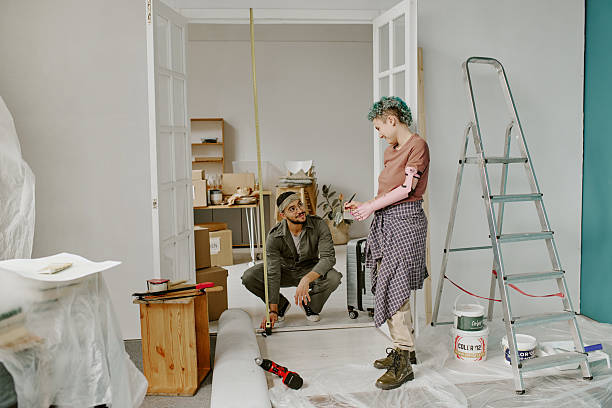
I used to think home upgrades meant big money. Like, break-the-wall, call-the-contractor, eat-instant-noodles-for-six-months kind of money. Turns out, not really. After renting, moving, scrolling way too much Instagram home content at 2 a.m., and helping a friend flip a tiny apartment on a tight budget, I realized something kind of obvious but still ignored by many people. Small changes hit harder than expensive ones. It’s like wearing a clean white shirt versus buying a luxury watch. People notice the shirt first.
Paint Is Basically a Cheat Code
This sounds boring, I know. Everyone says paint. Even your uncle who once painted half a wall and quit. But seriously, paint is unfairly powerful. A ₹2,000 to ₹5,000 paint job can make a place feel brand new, even if the floor still creaks and one switch doesn’t work unless you press it gently.
I once painted a dark, sad-looking room light beige. Same furniture, same mess, same me. Suddenly it looked like one of those “before/after” reels people argue about in comments. Light colors bounce light around, which is just physics doing you a favor for cheap. Realtors love this trick too, which should tell you something.
Lesser-known thing: matte paint hides wall flaws better than glossy. Glossy shows everything, like high-definition reality you didn’t ask for.
Lighting Changes the Mood More Than Furniture
People underestimate lighting because it’s not sexy. A sofa is sexy. A lamp is not. But lighting decides whether your home feels cozy or like a hospital waiting room. Warm light instantly makes cheap furniture look intentional.
I swapped out harsh white bulbs for warm LEDs in my living room. Cost me less than one dinner out. Friends started saying things like “this place feels calm” which is funny because nothing else changed, not even my life.
Online, especially on home TikTok, lighting hacks get crazy engagement. LED strips under shelves, behind TVs, inside cabinets. It’s cheap drama, but the good kind. Just don’t overdo it or your house starts looking like a gaming setup from 2014.
Cabinet Handles Are Weirdly Important
This one surprised me. Changing cabinet handles feels pointless until you do it. Kitchens and bathrooms suddenly look upgraded, like they went to a better school.
Handles are the handshake of your home. Cheap, loose ones make everything feel tired. Solid metal handles give the impression that someone cared. And they’re cheap. Like, really cheap compared to replacing cabinets.
I helped a friend replace handles in a rental before moving out. The landlord thought they renovated. No joke.
Switch Plates and Small Hardware Nobody Talks About
This is the kind of thing nobody posts about, but it matters. Yellowed switch plates, old door stoppers, rusty hinges. Replacing these is boring but powerful. It’s like ironing your clothes. Nobody says “nice ironing,” but everyone notices when it’s not done.
On Reddit home improvement threads, people quietly admit this stuff increases buyer interest more than expected. It signals maintenance, and maintenance signals “this place won’t fall apart on you.”
Mirrors Are Basically Space Lies
Mirrors are professional liars, and I respect them for it. They make small rooms look bigger, dark rooms brighter, and narrow hallways less depressing. A well-placed mirror opposite a window doubles light. That’s free light. Sunlight inflation-proof.
I bought a tall mirror second-hand, cleaned it up, leaned it against the wall. Zero installation. Suddenly my room looked like I had my life together. Even my mom noticed, which never happens.
Open Shelving Without Going Full Pinterest
Removing cabinet doors or adding one or two open shelves changes a kitchen fast. The trick is restraint. Social media pushes perfect shelves with color-coordinated jars and plants that never die. Real life is messier.
But even imperfect shelves feel lighter. It’s like opening a window. Cheap, slightly risky, but visually rewarding.
Bathroom Upgrades That Don’t Scream “Budget”
Bathrooms scare people because plumbing equals money. But you can fake a refresh. New shower curtain, new mirror, updated faucet. Even a better towel rack helps. Hotels do this all the time. They don’t rebuild bathrooms; they swap visible stuff.
Quick fact I found while doom-scrolling renovation forums: buyers decide how they feel about a bathroom in under 10 seconds. First impression rules here more than logic.
Floor Coverings Without Touching the Floor
If replacing flooring is too expensive, rugs are your friend. Big rugs. Bigger than you think. Small rugs make rooms look smaller. Big rugs make rooms look intentional.
This is all over Instagram interior accounts, and for once they’re right. Rugs hide ugly floors and tie furniture together. It’s visual math, not design magic.
The Weird Psychology of Clean Lines
Decluttering is technically free, but mentally expensive. Still, it’s the most effective upgrade. Fewer things on counters, visible surfaces, random cables hidden. It makes a home feel larger and calmer.
I noticed online house tour videos with millions of views often have average homes, just clean lines. No chaos. That’s the upgrade.
So Yeah, Expensive Doesn’t Mean Effective
Low-budget upgrades work because they target perception, not structure. People don’t fall in love with wiring or concrete. They fall in love with light, color, flow, and the feeling that someone cared just a little more than average.
If money is tight, start where eyes go first. Walls, light, handles, mirrors. The rest can wait. Homes don’t need perfection. They just need honesty, warmth, and fewer broken switch plates.