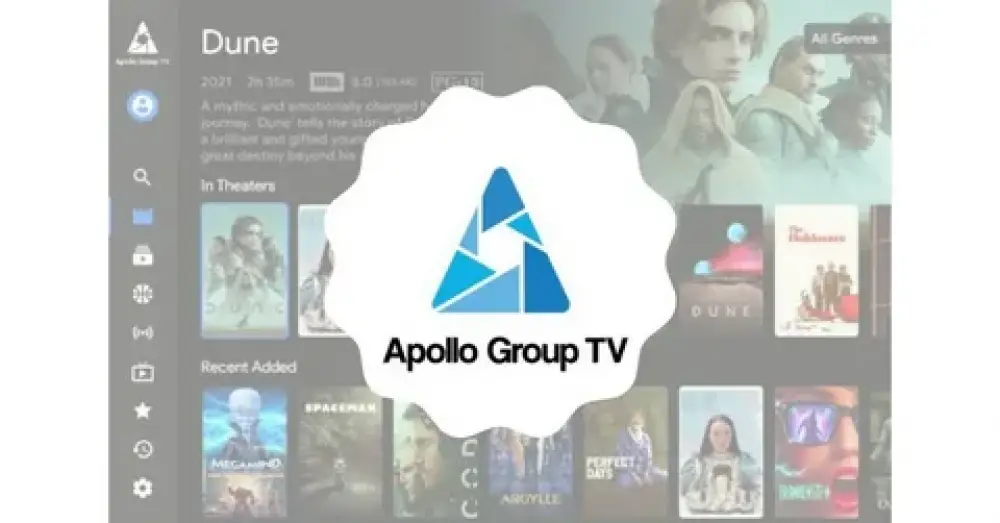
The entertainment industry has changed dramatically over the last decade. Audiences are no longer satisfied with fixed television schedules, limited channel packages, or expensive long-term cable contracts. Instead, viewers now expect flexibility, convenience, and instant access to content across multiple devices. This shift in consumer behavior has contributed to the rapid growth of IPTV services worldwide.
IPTV, or Internet Protocol Television, delivers television content using internet connections instead of traditional cable or satellite systems. While the concept has existed for years, improvements in internet speeds and streaming technology have made IPTV more accessible and practical for everyday users.
Today, millions of households are exploring IPTV as part of the broader transition toward digital entertainment platforms.
The Evolution of Television Consumption
Television once revolved around scheduled programming. Families planned evenings around broadcast times, and missing a show often meant waiting for a rerun. Streaming platforms changed those habits completely by introducing on-demand entertainment.
IPTV builds on this transformation by combining live television with internet-based flexibility. Users can access live channels, sports events, movies, documentaries, and TV series through a single internet-powered platform.
Websites like https://apollogroup-tv.com highlight how modern IPTV platforms focus on broad content availability and multi-device compatibility to match changing viewing preferences.
Why IPTV Appeals to Modern Audiences
One of the biggest reasons IPTV continues growing is convenience. Modern consumers expect entertainment to fit around their schedules instead of adjusting their schedules around television programming.
Several viewing habits have contributed to IPTV’s popularity:
Multi-Device Viewing
People no longer watch content exclusively on living room televisions. Smartphones, tablets, laptops, and streaming devices have become equally important entertainment tools.
IPTV services often support:
- Smart TVs
- Android devices
- iPhones and iPads
- Streaming sticks and TV boxes
- Desktop and laptop computers
This flexibility allows users to access content almost anywhere with an internet connection.
Personalized Entertainment
Traditional cable packages typically force viewers to pay for channels they rarely use. IPTV platforms often provide more customizable viewing experiences, allowing users to explore a wider range of international and niche content.
This personalization reflects broader trends across the entertainment industry, where users increasingly prefer curated and on-demand experiences.
Growth of Sports and Live Streaming
Sports broadcasting remains one of the strongest drivers of live television consumption. IPTV platforms have adapted by focusing heavily on live events, pay-per-view programming, and real-time streaming capabilities.
Improved streaming infrastructure now allows viewers to watch major sports events with minimal delays and higher video quality than older internet streaming methods.
The Technology Powering IPTV
Behind the convenience of IPTV lies a complex network of technologies working together to deliver smooth viewing experiences.
Content Delivery Networks (CDNs)
CDNs distribute streaming content across multiple global servers, helping reduce buffering and improve playback speeds.
Adaptive Bitrate Streaming
This technology automatically adjusts video quality depending on internet speed, preventing interruptions during playback.
Cloud-Based Systems
Cloud infrastructure enables IPTV providers to scale their services more efficiently while supporting large content libraries and growing user demand.
Electronic Program Guides (EPGs)
Modern IPTV interfaces often include interactive guides that help users browse channels, schedules, and available programs more easily.
Challenges Facing the IPTV Industry
Despite its rapid growth, IPTV also faces several challenges that continue shaping the industry.
Internet Dependence
Unlike traditional cable systems, IPTV relies entirely on stable internet connections. Poor connectivity can affect streaming quality and reliability.
Licensing and Regulation
Content rights and broadcasting regulations differ between countries and providers. As IPTV expands globally, questions around licensing and copyright continue to influence the market.
Service Quality Differences
Not all IPTV services operate at the same standard. Factors such as server stability, technical support, and streaming quality vary significantly between providers.
Because of this, users often research platforms carefully before choosing a service.
The Future of IPTV
The future of IPTV appears closely connected to broader digital trends. Faster broadband networks, 5G connectivity, and artificial intelligence are expected to improve streaming quality and personalization even further.
Industry analysts predict continued growth in IPTV adoption as audiences prioritize flexibility and on-demand access over traditional broadcasting models.
More importantly, IPTV reflects a larger cultural shift in how people interact with entertainment. Viewers now expect content to be immediate, portable, and tailored to their interests. Rather than simply replacing cable television, IPTV is redefining what audiences expect from modern media consumption.
As technology continues evolving, IPTV will likely remain one of the most influential forces shaping the future of television and digital entertainment