Foundation backfill does more than refill the space left after excavation. The material placed beside a wall affects drainage, settlement, soil pressure, and the long-term condition of the structure. Careful rock and dirt selection helps the finished grade stay stable without trapping water against concrete or masonry.
Why Backfill Material Affects Foundation Performance
Backfill sits directly against the foundation, so its behavior changes with moisture, weight, and compaction. Dense clay can swell after heavy rain, then shrink during dry weather, creating repeated pressure changes along the wall.
Poorly selected fill may also settle unevenly and leave low areas near the building. Those depressions collect runoff and direct it toward the foundation instead of carrying it away. Contractors reviewing rock and dirt for sale should consider drainage and compaction rather than choosing material only by price.
Clean Gravel Improves Drainage Near the Wall
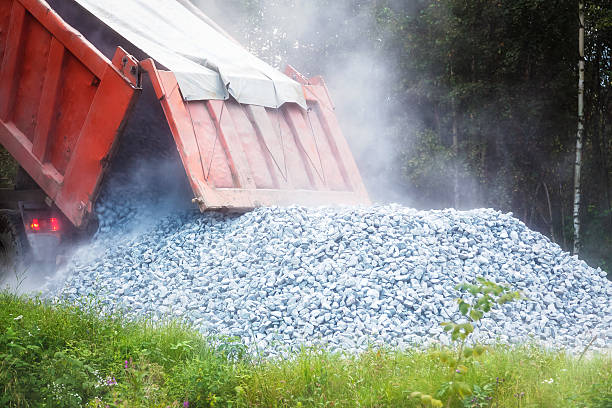
Washed gravel allows water to move through open spaces between the stones. Installers often place it around foundation drains or along the lower portion of a wall where moisture needs a clear path toward a sump, outlet, or drainage pipe.
Unlike soil that holds water, clean aggregate reduces the amount of saturated material pressing against the structure. Buyers searching for gravel delivery near me should confirm that the product contains little or no dust, silt, or crusher fines when the stone will serve a drainage purpose.
Select Fill Dirt for the Upper Backfill Zone
Suitable fill dirt works well above the drainage layer because it can be shaped and compacted to support the finished grade. Screened material with limited organic matter usually performs more predictably than topsoil, loose debris, or excavated soil mixed with roots.
Topsoil belongs near the surface where grass or landscaping will grow, not deep beside the wall. Organic material breaks down over time and creates voids that lead to settlement. A planned rock and dirt delivery can separate drainage stone, structural fill, and planting soil into the correct stages of the job.
Should Native Soil Be Reused?
Excavated soil may be reusable when it has the right moisture level, particle size, and compaction qualities. Sandy or granular native material often drains better than heavy clay and may reduce the amount of imported fill needed.
Clay-heavy spoil requires more caution because large clumps are difficult to compact evenly. Wet chunks can bridge over empty pockets, while dry lumps may remain hard and unstable. Site crews should remove roots, trash, oversized debris, and frozen or saturated material before placing any native soil back into the excavation.
Layered Placement Reduces Future Settlement
Backfill should go in shallow lifts rather than one deep placement. Each layer receives compaction before the next one is added, helping the material reach a consistent density from the footing upward.
Thick lifts can hide soft pockets that settle months later beneath sidewalks, patios, steps, or landscaping. Mechanical equipment must also match the available space, since large compactors used too close to a new wall may apply damaging pressure. Hand-guided machines often provide better control in narrow foundation trenches.
Protect Waterproofing and Drainage Components
Waterproof coatings, drainage boards, and foundation pipes can be damaged by careless backfilling. Sharp oversized rock dropped directly against the wall may puncture membranes or shift installed components out of position.
Protective boards create a buffer between the foundation and surrounding material. Crews should place the first lifts gently, keeping heavy equipment far enough away to avoid striking the wall or crushing drain lines. Customers comparing gravel for sale should choose stone that fits around the drainage system without creating large unsupported gaps.
Moisture Content Changes Compaction Results
Slightly damp fill often compacts more evenly than material that is extremely dry. Water helps soil particles move into a tighter arrangement, but too much moisture turns the lift soft and unstable.
Saturated backfill may pump beneath equipment or cling to machinery instead of forming a firm layer. Weather timing therefore matters, especially on projects involving open excavations and clay-rich ground. Gravel delivery in Huntsville AL can be coordinated with grading and compaction work so material does not sit exposed through unnecessary rainfall.
Finished Grading Must Carry Water Away
Final backfill should create a positive slope away from the foundation. A level or inward-sloping surface allows roof runoff and rainwater to settle beside the wall, even when the underground drainage system was installed correctly.
Downspouts need outlets that discharge beyond the backfilled area rather than soaking the same soil repeatedly. Landscaping plans should also account for future settlement, since a slight drop near the wall can reverse the intended grade and form a water-holding basin.
Material Planning Keeps Backfill Work Moving
Accurate volume estimates help crews order enough stone and soil for each layer without overcrowding the site. Trench length, width, depth, pipe space, and expected compaction all affect the required quantity.
Foundation, drainage, grading, landscaping, and construction projects throughout the Huntsville area can rely on North Alabama Rock & Dirt for gravel, crushed stone, fill dirt, topsoil, and other aggregate materials. Its rock and dirt delivery service helps homeowners and contractors order suitable products in practical load sizes for stable backfill, proper drainage, and clean final grading.