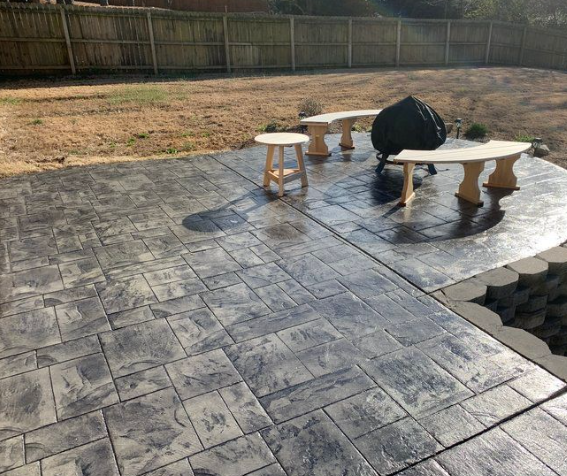
That old concrete patio might need a few repairs, or it could be showing signs of damage that goes much deeper. Cracks, rough patches, and uneven sections don’t always mean the entire slab needs replacing. Understanding what caused the damage helps homeowners decide whether repairs, resurfacing, or a completely new patio makes the most sense.
Small Cracks and Minor Surface Damage Are Usually Repairable
Hairline cracks, chipped corners, and isolated surface damage don’t automatically mean a patio has failed. Concrete naturally shrinks as it cures, and temperature changes can cause additional movement. Narrow, stable cracks may need cleaning and filling with a suitable concrete repair product to help keep water and debris out.
Contractors first check whether the damaged sections remain level and firmly supported. Repairs generally work best when cracks show no significant movement or vertical displacement. Homeowners searching for concrete companies near me can request an inspection to determine whether patching is enough or whether the cracks suggest a bigger problem underneath.
Resurfacing Works Best When the Existing Slab Is Still Strong
An older patio might look worn without having serious structural damage. Surface discoloration, shallow imperfections, and minor wear often make resurfacing an option. Contractors apply a specially formulated overlay to clean, prepared concrete, creating a new wearing surface without removing the original slab.
Successful resurfacing depends on the condition of the concrete underneath. Loose material, contamination, active cracks, and moisture problems can interfere with the overlay’s bond. Professional concrete companies should inspect the slab before recommending resurfacing because a fresh coating cannot correct a failing foundation.
What Do Widespread Cracks Say About the Condition of a Patio?
Several cracks running across different sections deserve closer attention than one narrow surface crack. They may indicate soil settlement, poor base compaction, excessive loads, or movement beneath the concrete. Cracks with one side higher than the other suggest that parts of the slab have shifted.
Repair materials cannot permanently correct movement caused by unstable ground. Contractors need to determine whether the cracks remain stable or continue spreading. Where damage affects large portions of the patio, replacing the affected sections may provide better results than repeated patching. The surrounding soil and drainage also need attention before new concrete goes down.
Uneven Patio Sections May Need More Than a Surface Repair
A sunken patio section can create a tripping hazard and change how rainwater moves across the property. Settlement often develops when poorly compacted soil shifts or water washes supporting material away. Resurfacing won’t correct these changes because the new layer follows the movement of the existing slab.
Certain settled slabs may qualify for professional lifting methods, provided the concrete remains intact and suitable for stabilization. Other situations require removal and rebuilding. Residents comparing residential concrete contractors near me should ask whether the contractor can identify the cause of settlement instead of simply covering the uneven surface.
Surface Flaking and Spalling Don’t Always Require Replacement
Flaking concrete can make a patio look much older than it actually is. Surface scaling may result from freeze-thaw exposure, finishing mistakes, poor curing, or unsuitable concrete mixtures. Spalling can also occur when embedded steel corrodes and expands, breaking away the surrounding material.
Shallow damage may respond to patching or resurfacing after contractors remove weak concrete and prepare the surface properly. Deeper deterioration, exposed reinforcement, or widespread crumbling requires a more detailed assessment. Homeowners looking for cement contractors near me should describe the depth and extent of the damage so contractors can recommend appropriate repairs rather than a cosmetic coating alone.
Poor Drainage Can Make Patio Replacement the Better Choice
Standing water does more than leave annoying puddles after rainfall. Moisture can enter cracks, soften supporting soil, and contribute to further settlement. A patio that slopes toward the house may also direct runoff against the foundation. These problems need more than a fresh surface finish.
Minor drainage issues can sometimes be corrected with suitable repairs or drainage improvements. However, a slab with serious slope problems may need replacement to establish proper elevations. Experienced concrete contractors in Huntsville AL can evaluate the patio’s relationship to nearby downspouts, landscaping, and existing drainage paths before recommending a solution.
When a New Patio Offers Better Value Than Repeated Repairs
Patchwork repairs become less practical when damage keeps returning or several sections need attention. A severely deteriorated slab may require extensive preparation before resurfacing, reducing the potential savings. Replacement also allows homeowners to change the patio’s size, improve its layout, or select decorative finishes that weren’t part of the original installation.
Planning a new patio creates an opportunity to correct underlying problems rather than carry them into another project. Legacy Outdoor Services offers concrete patio installation and decorative concrete services for homeowners in Huntsville and surrounding areas. Its team can discuss existing site conditions and replacement options, helping property owners determine whether a new patio better suits their outdoor space